
Section 232 tariffs are pushing U.S. solar module prices back up toward 2023 levels, introducing fresh procurement questions across the clean energy industry. While trade barriers have temporarily halted the record-low equipment pricing seen in recent quarters, domestic manufacturers are adjusting by establishing U.S. module assembly operations that rely on imported cells. Industry analysts already see a clear path back toward 30 cents per watt as domestic supply chains mature, meaning homeowners and system owners must look closely at equipment supply, replacement availability, and overall asset management.
Hardware costs dictate much of the solar market's momentum. When federal trade rules shift, the ripple effects move from international shipping docks directly to the residential contractor bidding on rooftop projects. Understanding what Section 232 tariffs do, how module makers are responding, and how this impacts homeowners who already have panels running is critical to managing your home energy investment.
How do Section 232 tariffs affect residential solar equipment?
Section 232 tariffs place protective duties on targeted imported goods, which directly elevates the wholesale cost of foreign-made photovoltaic hardware entering the United States. As these import restrictions take hold, wholesale module prices that had declined steadily have climbed back to levels not seen since 2023. This price bump alters the procurement schedules for equipment distributors, engineering firms, and residential contractors.
The solar supply chain is highly sensitive to policy interventions. Over the past decade, solar panels achieved dramatic cost reductions due to global manufacturing scale, primarily centered in Southeast Asia. When tariffs under Section 232 or related trade remedies are introduced or expanded, importers face immediate border tariffs that increase the landed cost of finished solar modules.
For contractors and equipment distributors, these policy shifts create procurement hurdles:
Distributors must carry higher inventory carrying costs, which trickles down to quote sheets.
Projects face temporary equipment substitution when specific foreign module lines become cost-prohibitive.
Installers are forced to balance pricing commitments made to consumers against fluctuating wholesale equipment bills.
While module hardware is only one component of a total residential solar installation, a sustained uptick in panel prices changes the economics of both new builds and equipment replacements.
Why U.S. module assembly with imported cells is the new standard
To navigate trade restrictions while keeping projects viable, manufacturers have turned domestic assembly using imported solar cells into the dominant operating model in the United States. Rather than importing completed solar panels, companies now ship silicon solar cells from overseas facilities and assemble them into finished modules inside domestic manufacturing plants. This operational model lets manufacturers comply with strict trade rules while sidestepping steep tariffs levied on fully assembled imported modules.
Building a fully integrated domestic solar supply chain requires three distinct industrial steps: producing solar-grade polysilicon and wafers, processing wafers into photovoltaic cells, and assembling cells into finished, framed modules. Building cell fabrication facilities requires billions of dollars in capital expenditure, specialized chemical infrastructure, and several years of construction and testing.
In contrast, module assembly plants require significantly lower capital investments and can become operational in a fraction of the time. By focusing immediate capital on domestic assembly lines, manufacturers can stamp "Assembled in the USA" on panels while relying on international supply lines for the underlying silicon cells.
This hybrid supply chain strategy provides several market advantages:
It shields manufacturers and buyers from direct tariffs placed on finished panels.
It shortens transit times from factory floor to local installation sites.
It helps manufacturers qualify for domestic manufacturing credits established under federal clean energy laws.
Even with these advantages, imported cells remain subject to trade scrutiny. Any trade policy changes targeting cell imports can still create friction for domestic assemblers.
Can solar module prices return to 30 cents per watt?
Market analysts project that U.S. module prices will eventually resume their downward trend and return to roughly 30 cents per watt as domestic assembly facilities scale up their production volume. Although the initial ramp-up phase creates temporary pricing friction, the expansion of factory capacity across the country is expected to generate healthy competition and drive down hardware costs. Reaching this benchmark will require supply stabilization and automated manufacturing lines.
Hardware pricing follows a standard learning curve. Whenever a factory opens, initial runs carry higher scrap rates, workforce training costs, and supply chain logistics expenses. As facilities reach steady-state operations, the cost per watt drops.
Reaching the 30-cent benchmark depends heavily on two specific factors:
Cell supply diversification
Domestic assemblers need stable access to imported cells from regions that are not subject to high tariff penalties. If cell supplies face trade interruptions, module factories cannot run at full capacity, keeping per-unit overhead high.
Automation and economies of scale
Modern assembly facilities rely on automated stringing, matrixing, and framing machinery. As American facilities optimize these processes, the labor cost per watt decreases, bringing finished panel prices in line with global historical lows.
Analysts emphasize that while the journey back to 30 cents per watt will take time, the upward pressure from Section 232 tariffs is primarily a transitional market phase rather than a permanent new normal.
What these supply chain shifts mean for existing solar owners
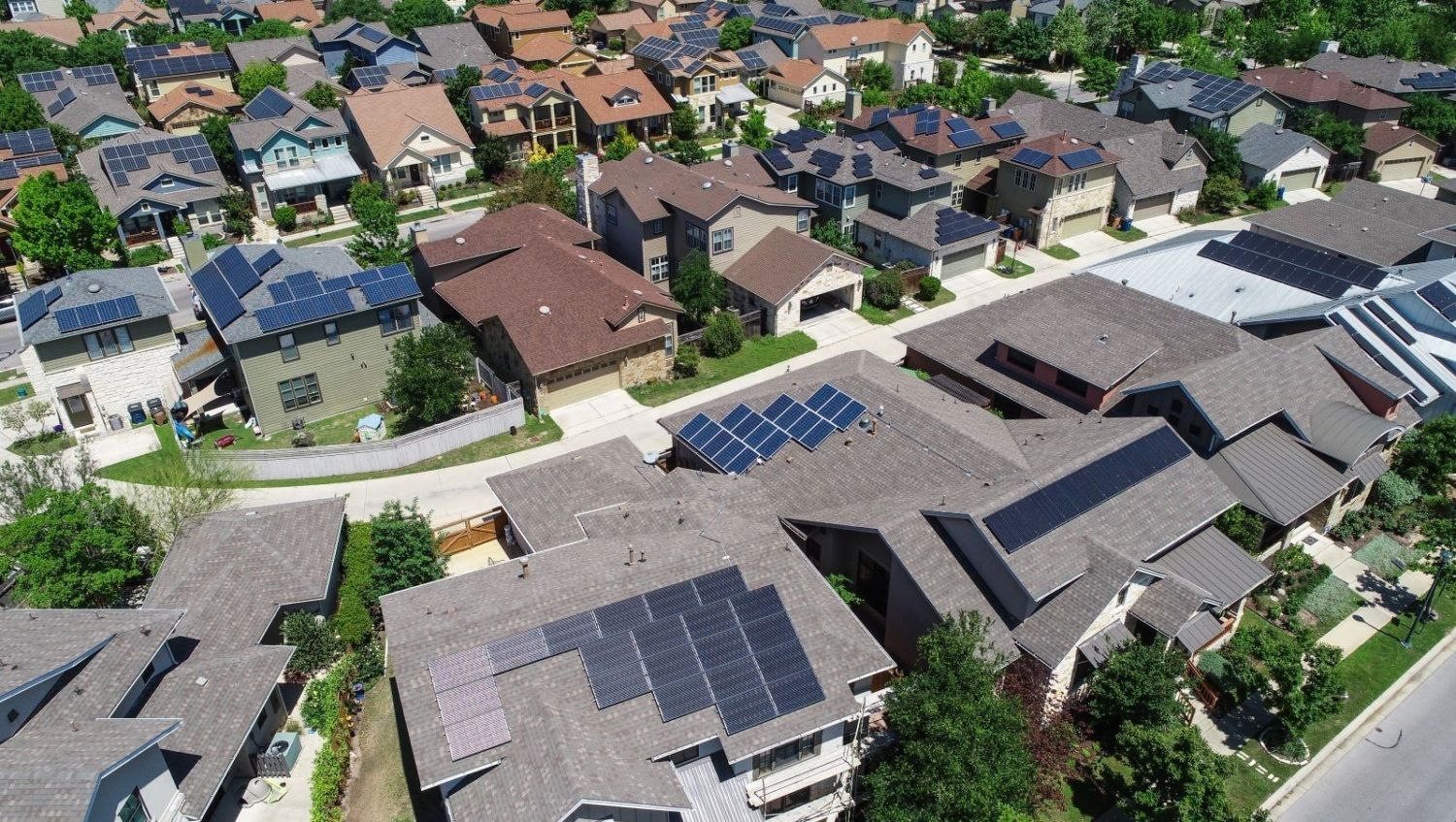
For homeowners who already have solar panels installed on their roofs, rising module prices have little direct impact on daily utility savings, but they do influence warranty replacements, repairs, and system expansions. If a panel suffers damage from a severe storm or requires warranty service, the replacement unit sourced by your installer will likely reflect current market supply lines and costs.
Most existing residential solar systems were installed with modules imported during previous market cycles. If you need to replace a damaged panel today, your installer may face a few practical changes:
Exact model matches may be discontinued or unavailable if the original foreign manufacturer scaled back U.S. shipments.
Replacement modules may come from domestic assembly lines, featuring slightly different dimensions, cell layouts, or frame profiles.
Expansion projects where you add three or four panels to accommodate an electric vehicle may carry a higher hardware cost per watt than your original installation.
Fortunately, modern microinverters and string inverters with DC optimizers make it relatively straightforward to pair newer, domestically assembled modules with existing arrays, even if the electrical characteristics vary slightly.
How tariffs influence your overall clean energy return on investment
While hardware headlines focus heavily on module tariffs, panels represent only about 10 to 15 percent of the total cost of a residential solar installation. Soft costs, such as permitting, inspection, labor, customer acquisition, and electrical balance of system components, make up the vast majority of what a homeowner pays. Because modules represent a modest fraction of the total price tag, tariff-driven increases in module prices do not derail the overall economics of residential clean energy.
Consider the financial picture of clean energy ownership:
Module costs make up a relatively small portion of the overall investment.
Permitting, labor, racking, and electrical engineering compose the bulk of project expenses.
Utility retail rates continue to rise in many parts of the country, preserving the economic value of producing power on site.
Even when module prices jump back toward 2023 levels, the power generated by your panels continues to replace expensive retail utility power. For those who already own a system, higher equipment costs in the broader market simply mean that the replacement value of your operating energy asset has increased.
Maximizing the value of panels already on your roof
Given that equipment pricing fluctuates based on global trade policy, solar owners should focus on extracting every dollar of value from the hardware they already possess. Many homeowners assume that reducing their utility bills is the only financial return their solar panels provide. In reality, your operating system produces environmental attributes that carry real cash value in regulated clean energy markets.
When your panels generate electricity, they also produce Renewable Energy Certificates, commonly referred to as RECs or SRECs. These credits represent the verified environmental value of your clean energy output. State-regulated utilities and large corporations are legally mandated or corporately committed to purchase these credits to meet statutory Renewable Portfolio Standards or sustainability benchmarks.
Key aspects of solar credit monetization include:
It requires no new hardware installations, no panel replacements, and no monthly fees.
Homeowners who already own their solar panels can enroll their systems to earn recurring revenue on power they already generate.
A typical California homeowner can earn roughly $1,500 in lifetime value simply by registering their existing array.
Instead of worrying about equipment supply chains or federal tariff changes, homeowners can turn their attention to administrative incentives that are often left on the table. Registering your system allows you to monetize your generation assets regardless of what happens to wholesale module prices.
If you already own solar panels and want to confirm whether your system is earning the revenue it deserves, visit certifymysolar.com to check your eligibility and start monetizing your clean energy production today.