
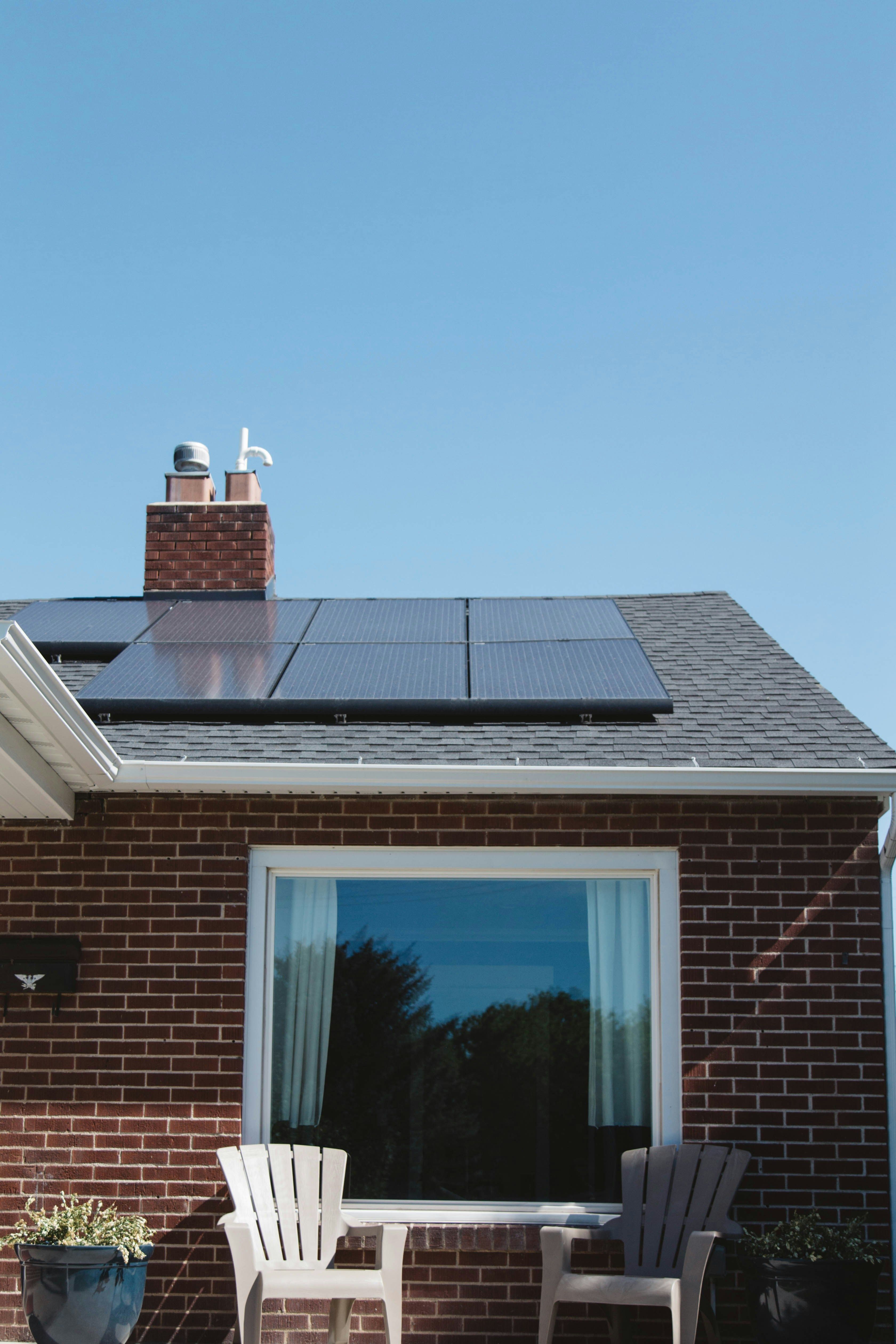
U.S. residential solar prices increased by 3.2 percent in the first half of 2026, reaching a median of $2.57 per watt according to data from EnergySage. If you already have solar panels installed on your roof, this uptick confirms that your existing system was secured at a cost new buyers can no longer access. While prospective buyers face higher entry hurdles, current owners sit on an operational energy asset that generates clean power alongside distinct regulatory credits that often go entirely unclaimed.
Understanding why hardware and installation costs are moving upward helps clarify the true economic position of your roof. Rather than simply tracking kilowatt-hours on a monthly utility statement, existing owners are re-evaluating the full output of their arrays.
Why are residential solar prices climbing in 2026?
Residential solar prices climbed to $2.57 per watt during the first six months of 2026, moving up from $2.49 per watt in the second half of 2025. This 3.2 percent jump was documented in the latest Home Electrification Marketplace Report from EnergySage, which tracked solar and energy storage quotes nationwide. For a typical homeowner installing a median-sized 12 kW array, that rate puts the median upfront price at $30,712 before incentives.
Several distinct market pressures converged to drive these numbers higher:
The scheduled expiration of the 30 percent federal residential solar tax credit removed a foundational price cushion that buyers and installers counted on for years.
Labor expenses across installation crews continued to grow, increasing soft costs for contractors working across residential territories.
Ongoing trade pressures on imported hardware and components kept equipment acquisition costs elevated for mid-sized and regional installers.
These combined factors pushed the average estimated payback window from 10.1 years out to 10.9 years. While EnergySage noted that an internal methodology adjustment contributed to the longer calculated timeline, the reality remains clear. New residential solar systems require more capital and take longer to break even than systems commissioned in prior cycles.
What does the expansion of third-party ownership signal?
Third-party ownership models, including leases and power purchase agreements, expanded their market share as upfront purchase prices climbed. When direct ownership becomes more expensive and traditional incentives phase out, solar contractors pivot to third-party arrangements to keep initial out-of-pocket expenses low for customers. This structural swing shifts the balance of who actually controls the environmental benefits of distributed generation.
Under a standard lease or power purchase contract, the third-party financier retains ownership of the physical system and the rights to all environmental attributes produced by the panels. Direct owners, by contrast, own both the hardware and the associated clean energy production rights outright. Many property owners who bought their systems outright years ago do not realize that holding full title to their panels gives them an asset class that leased-system customers cannot touch.
The difference between physical electricity and environmental credits
When your array operates on a sunny afternoon, it generates two separate products:
Physical electrons that flow into your home appliances or export across the electric grid.
Environmental attributes representing the clean generation profile of that electricity, measured in megawatt-hours.
These environmental attributes can be certified as Renewable Energy Credits (RECs). In third-party lease arrangements, the system operator packages and sells those credits to corporations or compliance buyers. Those credits remain your personal property until you decide to register and sell them if you purchased your system.
Why existing rooftop solar is worth more than owners realize
Existing rooftop solar installations carry economic advantages that widen every time new installation quotes increase. Homeowners who completed their projects before 2026 locked in their equipment costs, financing terms, and interconnection rules at substantially lower price points. With the replacement cost of an average 12 kW system now sitting at $30,712, your operating array represents an increasingly valuable private utility on your property.
Most homeowners evaluate their solar performance through a single metric: how much lower their electric bill is compared to neighbors who rely entirely on utility power. While bill offsets are valuable, they represent only a portion of the financial return available from a functioning residential array. The clean energy credits your system creates every day continue to accumulate unminted.
Because the broader solar market is experiencing higher capital costs and slower project velocity, registered clean generation from established rooftop systems is in steady demand. Utilities, energy suppliers, and sustainability departments must prove their clean energy claims with utility-grade, certified credits. Existing solar homes already supply the underlying power to meet those benchmarks.
How California solar owners can recover roughly $1,500 in value
A typical California residential solar owner can earn roughly $1,500 in lifetime value simply by enrolling their existing system into state-registered credit programs. This value exists because California enforces rigorous clean energy mandates that require market participants to source verified renewable attributes. Independent rooftop arrays generate those attributes continuously, yet thousands of homeowners leave them abandoned on the table.
Claiming these credits does not require modifying your home or your solar contract:
No new hardware or monitoring meters are installed on your roof or main electrical panel.
No service technicians or inspectors need to visit your property.
Your net metering agreement and relationship with your utility company remain completely unchanged.
There are no upfront enrollment fees or ongoing monthly charges to track the generation.
Organizations like DCarbon provide the digital platform that connects independent residential solar owners directly to credit markets. Instead of allowing utility companies or commercial brokers to retain all the financial margin from clean energy trading, DCarbon registers individual rooftop arrays so homeowners receive their fair share of the revenue. Enrolling simply converts your ongoing generation data into cash flow from assets you already paid for.
Steps to confirm your system eligibility and capture credit yield
Claiming the environmental credits your array produces is a straightforward administrative process. You do not need technical knowledge about wholesale electricity markets or state registry software to verify what your system qualifies to produce.
Gather your basic solar details
Locate your system size in kilowatts direct current (kW DC) and your approximate installation date. You can find this on your original installation agreement, your interconnection agreement with Pacific Gas and Electric, Southern California Edison, or San Diego Gas and Electric, or inside your inverter monitoring portal.
Review your system ownership structure
Check whether your system was purchased outright through cash or a home improvement loan, rather than signed as a third-party lease or power purchase agreement. Direct owners hold all legal rights to their environmental attributes and can register them at will.
Calculate your available credit revenue
You can verify your system output and see your potential credit yield directly by checking the calculator at certifymysolar.com. Entering your basic array capacity shows an immediate estimate of the lifetime value your panels can generate through certified REC enrollment.
Rising installation costs across the country mean that operational rooftop solar is more valuable than ever. Ensure you are claiming every dollar your investment produces if you already took the step to generate clean electricity on your roof.