

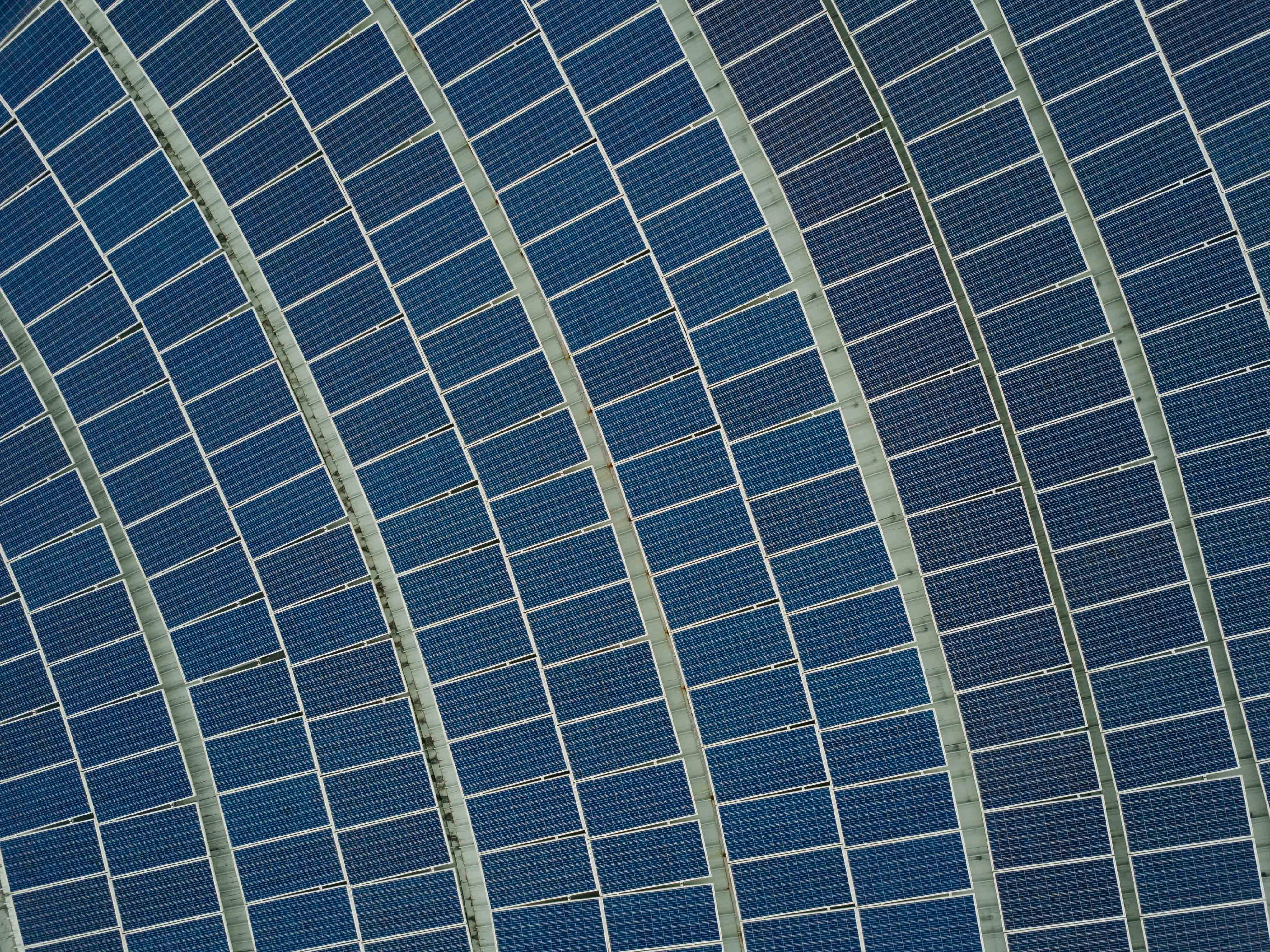
Google’s virtual power plant initiative in the PJM Interconnection grid signals that tech companies can no longer rely purely on distant wind or solar farms to supply their massive data center power needs. By contracting distributed capacity directly within the regional grid footprint, tech giants are turning local flexible assets into dependable grid capacity. This shift proves that the race for electricity is forcing major buyers to treat aggregated local energy resources as critical infrastructure alongside traditional power plants.
Artificial intelligence and data center expansion are driving power demand higher at a pace utilities did not anticipate five years ago. Tech companies want carbon-free electricity twenty-four hours a day, but building new centralized power stations and long-distance transmission lines takes a decade or longer. Aggregated clean energy, managed as a unified software-driven plant, bridges that gap right now.
Why is Google turning to a virtual power plant in PJM?
Google needs rapid access to firm, clean capacity inside the PJM grid to power expanding computational infrastructure without reigniting fossil fuel generation. The PJM footprint, spanning thirteen states from Illinois to New Jersey, has become the world capital of data centers, particularly in Northern Virginia. Because local grid operators face tightening supply margins and multi-year interconnection queues for new power stations, tech firms must find alternative ways to secure megawatts immediately.
Voltus CEO Dana Guernsey compared new "bring your own new capacity" contracts to the power purchase agreements that revolutionized utility-scale solar and wind development a decade ago. Back then, long-term corporate commitments gave banks the financial certainty required to fund massive clean generation. Today, similar contractual innovation is unlocking fleets of distributed batteries, commercial backup systems, and flexible demand assets.
This move demonstrates that grid reliability and corporate sustainability are no longer separate concerns. When a company like Google guarantees revenue to distributed resource providers, grid operators gain flexible tools to balance supply spikes during peak demand hours.
What exactly is a virtual power plant?
A virtual power plant is an interconnected network of decentralized energy resources, such as rooftop solar, home storage batteries, electric vehicles, and commercial load controls, orchestrated by software to behave like a single, dispatchable power station. Instead of burning gas or coal to meet high demand, grid operators call on thousands of local systems to inject stored power or temporarily curtail usage.
These decentralized assets stay where they are, serving their primary host homes or facilities during regular hours. When the regional grid experiences peak stress, the controlling software dispatches coordinated signals to discharge energy or reduce consumption across the entire aggregation.
The core components of distributed capacity
Residential rooftop solar arrays that generate clean local power without transmission loss
Stationary home and commercial batteries that capture daytime solar production for evening dispatch
Smart thermostats and water heaters that shift heating cycles outside peak grid hours
Bidirectional electric vehicle chargers that allow vehicle batteries to support regional capacity
By stacking these resources, an aggregator creates a flexible block of capacity that utilities can schedule just as reliably as a traditional peaker plant.
How does the surge in AI demand impact regional power grids?
Artificial intelligence workloads demand steady, baseload electricity around the clock, creating intense regional load concentrations that strain local substations and distribution wires. Unlike standard cloud computing, where processing tasks fluctuate throughout the day, advanced training clusters run continuously at full capacity.
Grid operators within PJM and across the country are facing historically high capacity prices in seasonal auctions. When available reserves shrink, power prices rise for everyone on the network, from multi-billion-dollar corporations down to everyday household rate payers.
At the same time, traditional fossil generators are retiring due to market economics and environmental regulations. If new clean resources cannot connect fast enough to replace retiring assets, the grid faces reliability deficits, prompting utilities to propose delaying plant closures or building costly emergency capacity at consumer expense.
Can residential solar and storage compete with traditional power plants?
Distributed residential clean energy can compete with central stations because it deploys instantly on existing rooftops and behind existing meters without requiring new high-voltage transmission lines. Interconnection delays for giant central generation projects frequently exceed five years across regional transmission organizations. Rooftop solar and residential storage circumvent those delays by installing directly at the point of consumption.
When thousands of homeowners install batteries, the combined storage capacity matches or exceeds regional natural gas peaking units. Distributed assets also improve regional resilience because a failure at a single home does not knock out the rest of the network, unlike a mechanical breakdown at a central utility plant.
Furthermore, distributed generation avoids transmission line losses, which typically waste about five percent of the electricity moved over long distances. Delivering energy locally where it is consumed makes the entire power system more efficient and lowers structural upgrade expenses.
What policies are clearing the path for distributed energy markets?
Regulatory orders from federal authorities have instructed regional grid managers to open wholesale electricity markets to distributed energy resource aggregations. Federal Energy Regulatory Commission guidelines require operators like PJM to allow aggregators of small energy devices to bid their collective capacity alongside traditional generation companies.
States are also revising net metering programs to emphasize time-of-use rates and battery integration. Rather than simply paying owners for midday solar surplus, updated policies encourage homeowners to store daytime generation and deliver it during late afternoon and evening system peaks.
Clean energy procurement rules are similarly evolving. Instead of buying paper credits from distant wind installations hundreds of miles away, large buyers increasingly demand local, hourly matched clean energy credits that prove real-world zero-emission operation on their specific regional grid.
How can homeowners capture more value from clean energy assets?
Homeowners who already own rooftop solar or residential battery storage often miss out on secondary incentive programs created by clean energy markets. Most systems produce clean electricity that quietly reduces utility grid purchases, yet the environmental attribute of that clean generation carries financial value that often goes unclaimed.
State-certified Renewable Energy Credits allow system owners to monetize the environmental benefits of the power they produce. For example, a typical residential solar homeowner in California can generate roughly $1,500 in lifetime value simply by registering and minting credits from the energy their panels already produce. Participating in these programs requires zero upfront costs, zero monthly fees, and no added hardware.
Enrolling existing systems into market-ready credit programs gives households a direct share of the spending that clean energy buyers and compliance entities direct toward decarbonization. As major corporations race to secure clean energy claims, the market value of verified clean production continues to rise.
Getting started with independent clean energy incentives
The ongoing race for clean electricity shows that every kilowatt-hour of local solar generation carries measurable economic and grid value. As large technology firms and utilities scramble for capacity, distributed clean energy assets will play an ever-larger role in keeping local power affordable and reliable.
If you already produce solar power on your home, you do not need to wait for complex utility grid programs to unlock additional income from your system. Platforms like DCarbon help residential solar owners register their clean energy production and monetize their credits directly. You can evaluate your system and verify what your generation is worth by visiting certifymysolar.com.