
California solar owners can claim roughly $1,500 in lifetime value by enrolling their rooftop generation into renewable energy credit programs. These credits represent the verified environmental attributes of the clean electricity produced on your roof, separate from the physical power that feeds your household appliances or the local grid. With statewide energy demand expanding rapidly, understanding credit programs provides a practical way for homeowners to generate revenue from panels they already paid for.
Most families installed rooftop solar panels to stabilize electric bills, offset peak utility rates, and reduce household carbon emissions. Few people were ever told that solar panels produce two distinct commodities: physical kilowatt-hours of electricity and digital certificates documenting the renewable origin of that power. As long as those certificates go unregistered, their financial value remains unclaimed.
What are California solar renewable energy credits?
A renewable energy credit, often referred to as a REC, is a tradable, digital certificate proving that one megawatt-hour of electricity was produced by a renewable generator. When your solar system produces one thousand kilowatt-hours of electricity, one credit is generated in an accounting registry. This certificate confirms the clean environmental value of that power, detached from the physical electricity flowing across power lines.
In standard electricity markets, physical electrons mix together on the power grid. Once power from a natural gas plant, wind farm, or rooftop solar panel enters the distribution system, nobody can trace which specific electron powers a given lightbulb. Energy regulators solved this accounting problem decades ago by creating certificates.
These certificates allow organizations to track, claim, and trade clean power without needing dedicated transmission lines running directly from generators to their buildings. For residential owners, credits serve as verifiable proof of clean generation that can be monetized.
The separation of physical power and environmental attributes
The physical electron: Powers your refrigerator, charges your electric car, or exports to the neighborhood grid through your utility meter.
The credit attribute: Documents that one megawatt-hour of clean generation entered the power system, providing the legal basis for green energy claims.
Because these two parts can be unbundled, selling the credit does not change the way your household uses electricity or how your utility charges your account.
Why clean energy demand is surging across the state
Peak electricity demand is projected to jump 24 percent by 2030 due to data centers, industrial growth, and widespread electrification. Artificial intelligence processing facilities, heavy industrial facilities, and the rapid shift to electric transportation require immense volumes of around-the-clock power. Clean energy offers the least cost path to meeting this demand without running afoul of statutory emissions mandates.
California has set ambitious clean power targets under state law. Utilities and commercial enterprises must show verifiable evidence of renewable power procurement to meet compliance obligations and internal net-zero targets. Building large utility-scale power projects takes years of environmental review, transmission development, and complex permitting.
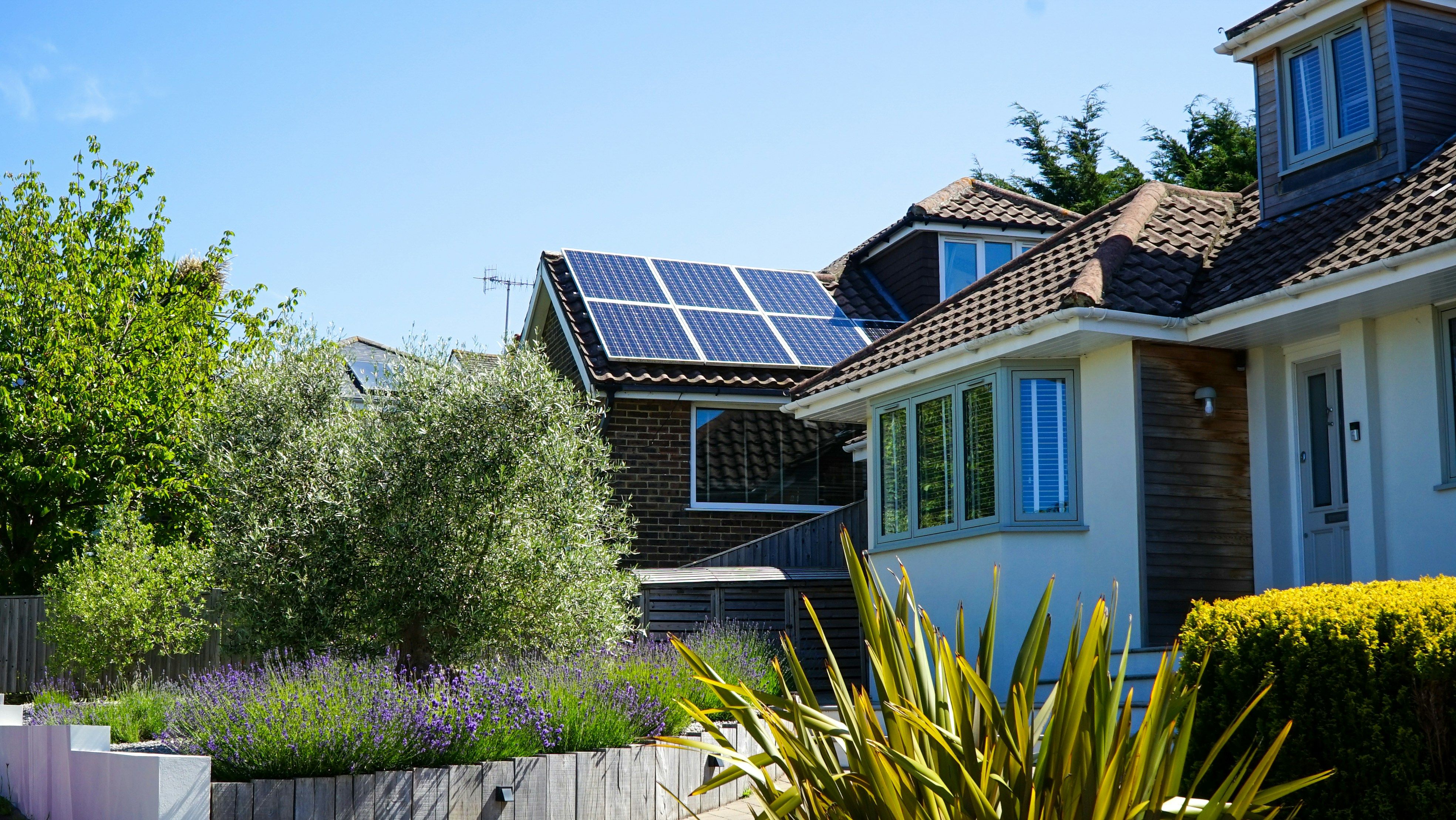
Rooftop solar arrays are already built, operational, and producing electricity across neighborhoods today. Because residential generation already exists where power is used, decentralized clean energy helps alleviate localized stress on transmission infrastructure during periods of extreme grid demand.
Can residential solar owners sell credits without affecting utility bills?
Yes, selling your renewable energy credits does not alter your net metering credits, your utility rates, or your relationship with your electric company. Your electric utility continues to measure your gross imports and exports through your utility meter as it always has. Credit enrollment handles only the legal environmental certificate, which exists independently of utility net metering rules.
Many solar owners worry that monetizing credits might void equipment warranties or breach interconnection agreements with utilities like PG&E, SCE, or SDG&E. That is not the case. Utilities purchase the physical energy you export through your standard net energy metering or net billing tariff, but they do not automatically own the underlying generation credits produced on private rooftops.
Homeowners who enroll their systems maintain full operational control over their equipment. Your panels continue generating power during daylight hours, your battery storage system operates without disruption, and your monthly electric bill continues to reflect your household energy production.
Common misconceptions about credit enrollment
Myth: You must switch utility providers to participate. Reality: Your utility provider stays exactly the same.
Myth: Monetizing credits eliminates your electric savings. Reality: Your net metering or net billing credits remain on your utility bill.
Myth: You must install new monitoring boxes on your home. Reality: Generation data is verified directly through existing digital interfaces.
How corporate sustainability goals fund homeowner payouts
Corporate sustainability teams need state registered credits to offset their dirty energy use and legally claim clean power consumption. When businesses use grid power from regional markets, they draw electricity from whatever fuel mix is operating at that hour. To claim that their corporate operations are powered by renewable sources, they purchase certified credits from renewable energy generators.
Historically, corporate energy buyers purchased these certificates in massive bundles from commercial wind farms, utility-scale desert solar installations, or energy trading desks. That structure directed billions of dollars into large institutional developers and centralized energy corporations.
Decentralized platforms now aggregate thousands of individual rooftop systems into institutional-grade portfolios. When corporate buyers purchase credits sourced from aggregated residential roofs, that capital flows directly back to independent solar owners and local communities instead of staying inside big utility companies.
How much value do renewable energy credits produce for homeowners?
A typical California homeowner who already owns solar can generate roughly $1,500 in lifetime value from enrolling their existing panels. This income represents found money on an energy asset that the homeowner has already paid for and operates daily. Because the solar panels are already mounted and producing power, participating in credit programs requires no capital investment.
The specific payout for any individual residence depends on several common system attributes:
System capacity: Larger installations produce more megawatt-hours, resulting in higher annual credit generation.
Solar panel orientation and tilt: South-facing and west-facing arrays produce high total yields, translating into faster certificate creation.
Geographic location: Systems in high-irradiance regions like Southern California or the Central Valley produce higher volumes of electricity per kilowatt of capacity than coastal properties with frequent marine layer coverage.
System degradation: Newer panels operate closer to their nameplate rating, producing peak credit quantities during the early years of operation.
Even modestly sized residential arrays generate measurable credits every quarter. Over a ten- to fifteen-year timeframe, those small recurring payments accumulate into substantial financial returns.
What is required to qualify and claim your solar credits?
To enroll in a residential credit program, you must own your solar system or hold an agreement that grants you the rights to the environmental attributes. Homeowners who financed their panels through standard home improvement loans or purchased them outright with cash qualify. Systems operated under certain third-party leases or power purchase agreements may have assigned those attributes to the financing company, so verifying system ownership documents is the first step.
Enrollment is completely free, with no monthly fees and no new hardware needed. Modern aggregation platforms connect directly to existing inverter monitoring feeds through software integrations. You do not need an electrician to visit your property, drill holes, or mount additional meters next to your electrical panel.
Once connected, participants get portal access to transparently track their solar generation, credit creation, and revenue share. This visibility allows homeowners to see how much electricity their panels produce each month, how many verified certificates are minted, and what revenue is credited to their account.
Taking advantage of your rooftop generation
Decentralized clean generation is playing a decisive role in balancing grid resources while corporate demand for clean energy continues to rise. For years, individual solar owners lacked the market access required to certify and sell their certificates, leaving valuable attributes sitting idle on rooftops across California.
Independent platforms have leveled the playing field by grouping individual homes together, providing everyday families with the same market leverage previously reserved for utility developers. If you already have solar panels operating on your roof, you have already done the difficult work of investing in clean power generation.
You can see if your solar setup qualifies by visiting certifymysolar.com and entering basic details about your installation. Checking your system takes only a few minutes, requires zero hardware changes, and lets you verify whether your home is eligible to claim its share of clean energy revenue.