

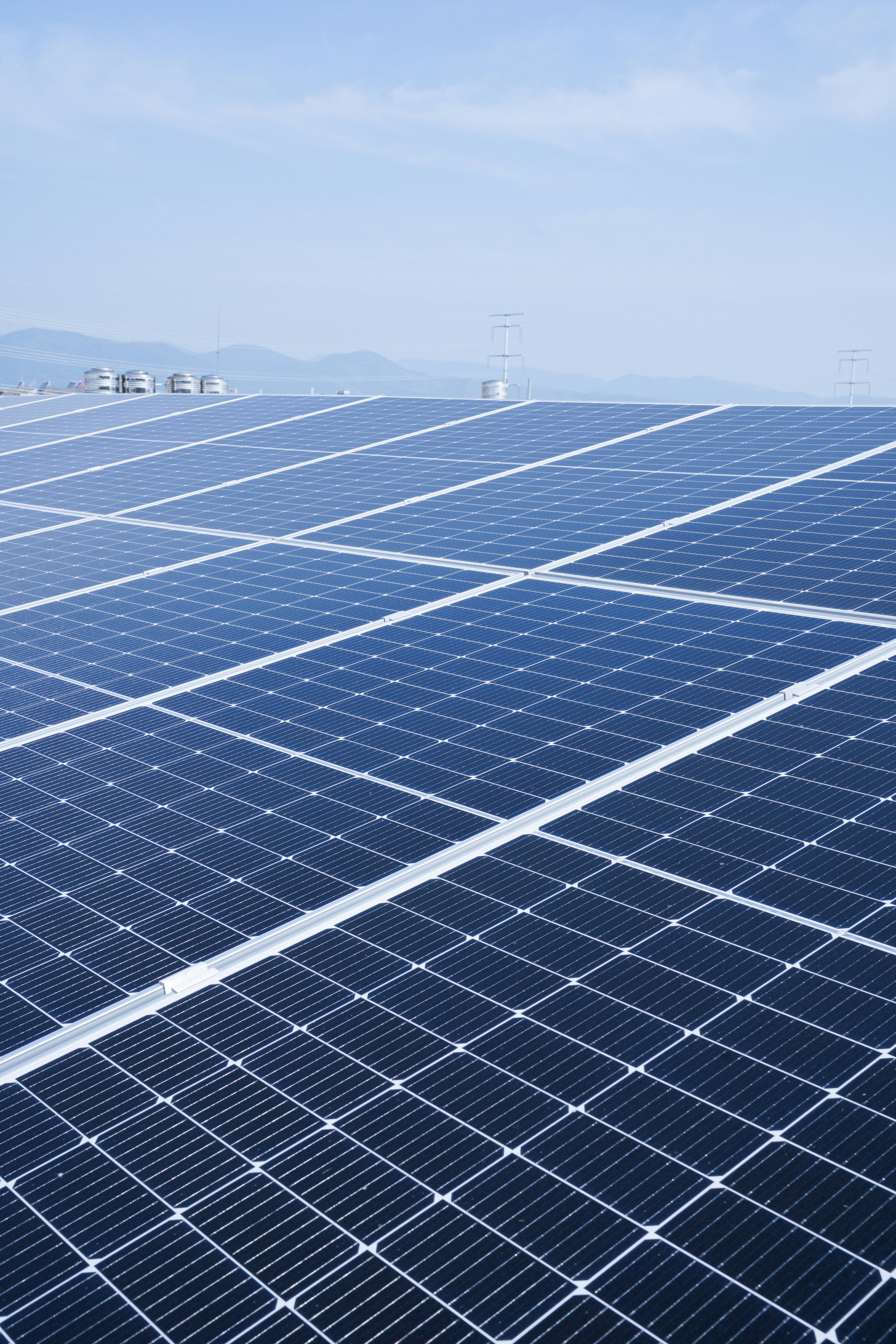
Commercial solar owners in California can generate substantial secondary income by selling the Renewable Energy Credits (RECs) their systems generate alongside electricity. For a typical 200kW commercial rooftop installation, enrolling these credits can yield up to $50,000 in lifetime value without installing new hardware or modifying facility operations. Understanding how these environmental attributes are tracked, valued, and transacted has become critical for building managers who want to maximize their solar return on investment.
Many commercial operators assume that power bill savings are the sole financial return of a solar installation. While reducing kilowatt-hour purchases from local utilities remains the primary motivation for going solar, every megawatt-hour of electricity your commercial array generates also creates an unbundled environmental asset. In California, these assets trade within an active regulatory and voluntary marketplace that offers reliable cash flow.
What are Renewable Energy Credits and how do they work in California?
A Renewable Energy Credit is a tradable, non-tangible energy commodity that represents proof that one megawatt-hour (MWh) of electricity was generated from an eligible renewable energy resource. When your rooftop solar panels generate power, that generation creates two distinct products: the physical electricity that powers your lighting and HVAC systems, and the legal environmental attribute proving that clean power entered the grid.
In California, the generation of renewable electricity is documented through the Western Renewable Energy Generation Information System (WREGIS). This accounting system issues a unique, serialized credit for each MWh produced by certified generators. Once a credit is created in WREGIS, it can be traded, sold, or retired by organizations looking to fulfill clean energy targets.
Many property managers confuse physical electrons with their environmental credits. If your building consumes the solar electricity generated on its roof, your business uses green power in a practical sense. However, unless you formally register your system and account for those credits, the market value of those environmental attributes sits completely dormant.
Why California commercial solar owners leave REC revenue unclaimed
Most commercial solar installations in California have unclaimed credits simply because property managers do not know their system produces two separate revenue streams. Installers typically emphasize net metering savings and tax depreciation during the sales process, leaving the ongoing administration of environmental credits unmentioned.
Administrative hurdles also keep commercial portfolios from capitalizing on this revenue. The registration process requires working through complex state tracking systems, verifying utility meter specifications, and managing compliance accounts. For a commercial property manager handling leases, tenant requests, and maintenance schedules, navigating the WREGIS portal often feels like a full-time compliance burden.
Furthermore, individual commercial systems rarely produce enough standalone volume to catch the attention of institutional energy brokers. A 100kW to 500kW system produces between 150 and 800 credits annually. Large utility buyers generally trade in blocks of tens of thousands of credits at a time, creating a structural barrier that keeps independent commercial property owners from accessing the market on their own.
How REC monetization impacts commercial solar LCOE and asset valuation
Monetizing renewable energy credits directly reduces a building's Levelized Cost of Energy (LCOE) by 10% to 40%, significantly shortening the payback timeline on the physical solar investment. This reduction in operating cost flows straight to net operating income, which increases the overall capitalization value of commercial real estate.
When property managers calculate the ROI of an on-site solar installation, they evaluate equipment costs, ongoing maintenance, and avoided utility retail rates. By introducing regular cash payments from credit monetization, the net cost per kilowatt-hour drops.
Consider the financial profile of a standard commercial property:
System Size: 200kW commercial rooftop array
Annual Production: Approximately 300,000 to 340,000 kWh
Annual Credit Creation: 300 to 340 RECs
Lifetime Monetization Value: Up to $50,000 in additional cash flow
For enterprise operators managing multi-building portfolios, this compounding cash flow transforms solar from a passive cost-mitigation tool into an active income generator. Because monetizing existing credits requires zero upfront capital, zero hardware upgrades, and zero monthly platform maintenance fees, every dollar earned contributes directly to facility margins.
Understanding the regulatory drivers behind California credit demand
Demand for California credits is sustained by the state's Renewables Portfolio Standard (RPS) along with expanding corporate sustainability mandates across the private sector. Retail electricity providers and regulated utilities in California are legally required to procure clean energy, with mandates scaling toward 60% clean electricity by 2030 and 100% clean electricity by 2045.
Under California rules, compliance credits fall into distinct Portfolio Content Categories (PCC):
Portfolio Content Category 1 (PCC1)
These are bundled transactions where clean energy and its underlying environmental attributes are delivered to a California balancing authority in real time. PCC1 credits command the highest market premiums because they represent direct, local grid delivery.
Portfolio Content Category 2 (PCC2)
These credits represent firm or shaped energy imports, where renewable energy is paired with substitute firm energy from another resource to meet utility load requirements.
Portfolio Content Category 3 (PCC3)
These consist of unbundled credits that have been separated from the physical electricity generated. PCC3 credits provide utilities and commercial energy brokers with flexible compliance balancing options at competitive market rates.
In parallel with utility compliance, large corporations now actively seek verified credits to satisfy Scope 2 greenhouse gas emissions disclosures. Modern procurement programs increasingly favor credits purchased from distributed, independent solar owners over giant legacy utility projects, allowing corporations to channel clean energy spending directly back into the communities where they do business.
Rooftop real estate trends: Industrial logistics leading the shift
Industrial real estate operators across the nation are rethinking how rooftop square footage contributes to overall property yields. Logistics parks, distribution centers, and light industrial facilities possess expansive, flat roofs that are uniquely suited to high-volume solar generation.
This trend is visible nationwide. For instance, High Street Logistics Properties recently finalized community solar installations across two adjacent facilities at 3 and 5 Finderne Avenue in Bridgewater, New Jersey. Developed by SolarKal, the 2 MW project spans 204,000 square feet of commercial roof space, turning warehouse infrastructure into clean generation capacity for the surrounding area.
California industrial property managers operate under similar economic tailwinds. High utility peak demand charges combined with extensive flat-roof industrial footprints make California facilities ideal generators of both power and high-value environmental credits. Managing these arrays effectively ensures industrial owners optimize their space for both tenant power needs and secondary market opportunities.
What are the steps to certify and sell commercial solar credits?
Certifying and monetizing solar credits involves a structured process of asset registration, generation reporting, credit issuance, and market placement. Facility managers must take several precise actions to ensure compliance and maximize payments.
Step 1: Verify Ownership of Environmental Attributes
Review your original solar purchase contract or power purchase agreement (PPA). If your business bought the solar array with cash or a capital improvement loan, you typically own the rights to the environmental credits. If your system is under a third-party PPA or lease, check whether the contract retained or assigned those attributes.
Step 2: System Registration and Revenue Metering
To qualify for institutional trading, generation must be measured by revenue-grade utility meters. The solar array must then be registered with WREGIS, documenting system capacity, equipment certifications, location coordinates, and operational interconnection dates.
Step 3: Production Reporting and Credit Minting
Once registered, monthly or quarterly meter readings are transmitted to the registry. The registry verifies generation data against grid interconnection records and officially mints the corresponding credits into an active holding account.
Step 4: Aggregation and Market Execution
Because individual commercial facilities face high transaction fees and low liquidity when selling modest volumes, systems are pooled with other commercial generators. An aggregation platform negotiates sale terms with institutional buyers, utilities, and corporate sustainability departments to capture peak market rates.
Maximizing the return on existing commercial solar assets
Commercial solar systems should not operate below their financial potential. If your facility already operates rooftop panels, the capital investment is complete, the interconnection is active, and the physical power is already offsetting retail utility rates. Leaving the associated environmental credits unregistered simply leaves verified income on the table.
DCarbon Solutions helps commercial building owners, portfolio operators, and facility managers access this secondary revenue without complexity. Through our registry management and trading platform, we aggregate commercial generation, handle all registry compliance requirements, and deliver transparent reporting on your production and earned value. Commercial operators offset their levelized cost of energy by 10% to 40% with zero capital expenditure, no monthly platform fees, and no added equipment.
To discover how much revenue your existing commercial solar installation can generate, visit dcarbon.solutions to request a portfolio evaluation and review your credit eligibility.